

Wheelchair Accessible Van vs. Traditional Minivan:
Which Is Right for Your Mobility Needs?
Choosing between a wheelchair accessible van and a traditional minivan is about more than passenger capacity. It is about independence, safety, comfort, and the ability to travel without unnecessary barriers. While a conventional minivan works well for many families, a professionally converted wheelchair accessible van is specifically designed to transport wheelchair users without requiring difficult transfers. Basil Mobility helps drivers and families throughout Depew, Buffalo, Cheektowaga, Amherst, Lancaster, West Seneca, Williamsville, and Clarence compare mobility solutions that fit their daily lives.
Wheelchair Accessible Van vs. Traditional Minivan
Key Highlights
| Feature | Wheelchair Accessible Van | Traditional Minivan |
|---|---|---|
| Wheelchair Ramp | Power or manual wheelchair ramps | Not available |
| Lowered Floor | Lowered floor systems for increased headroom | Not available |
| Riding in a Wheelchair | Passengers can remain safely seated in their wheelchair | Transfer from a wheelchair into a vehicle seat required |
| Wheelchair Securement | Wheelchair securement systems and occupant restraint systems | Wheelchair folded or stored separately |
| Door Openings | Power sliding doors and wider door openings | Not designed for wheelchair access |
| Seating | Flexible seating configurations | Spacious seating and cargo capacity |
| Wheelchair Compatibility | Easy entry for manual and power wheelchairs | Wheelchair must be folded or stored separately |
| Caregiver Effort | Fewer physical transfers and less strain on caregivers | More physical assistance required |
| Purchase Price | A larger investment | Typically a lower purchase price |
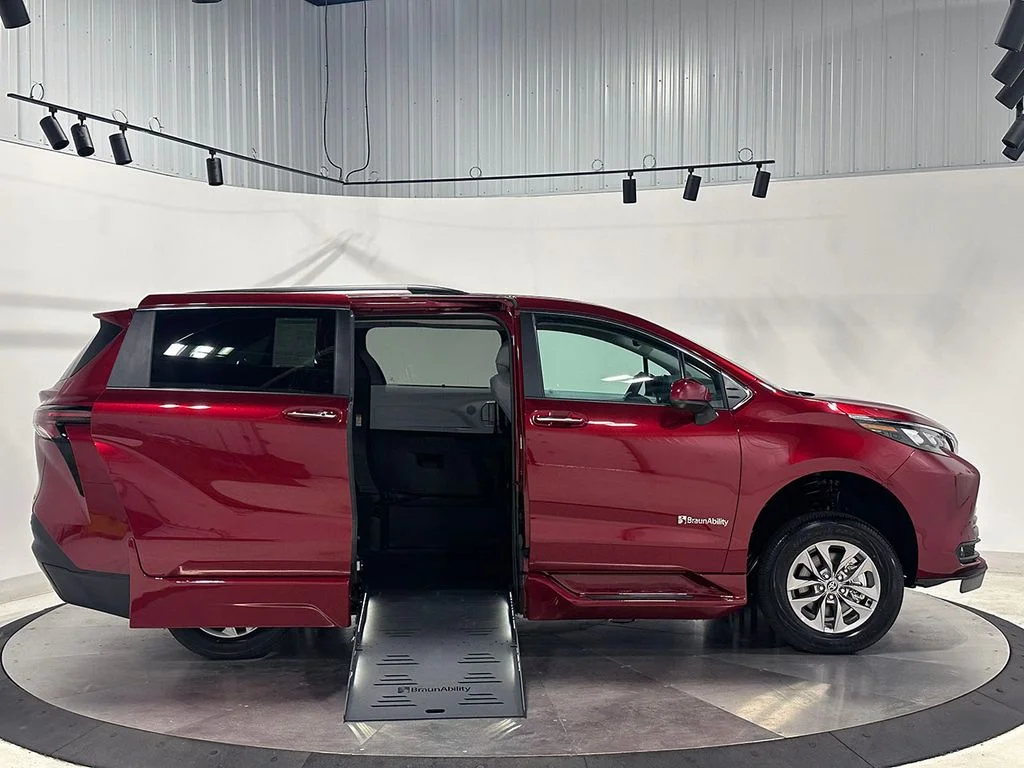
Wheelchair Accessible Vans Provide Greater Independence
A wheelchair accessible van allows many passengers to remain safely seated in their wheelchair throughout the trip. Lowered floor conversions, wheelchair ramps, securement systems, and wider door openings create easier entry and exit than a traditional minivan can provide. For many families, this means fewer physical transfers, less strain on caregivers, and greater confidence during everyday travel.
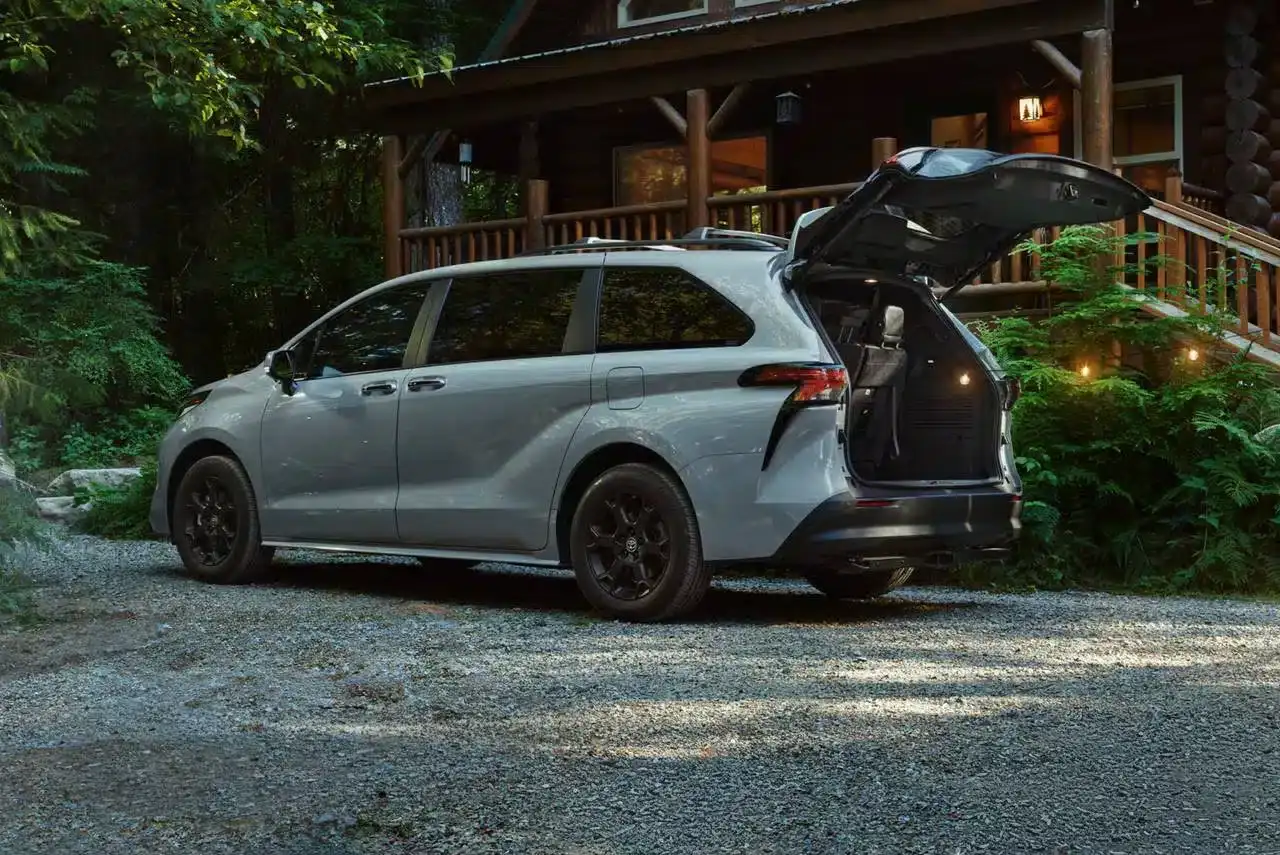
Traditional Minivans Require More Physical Assistance
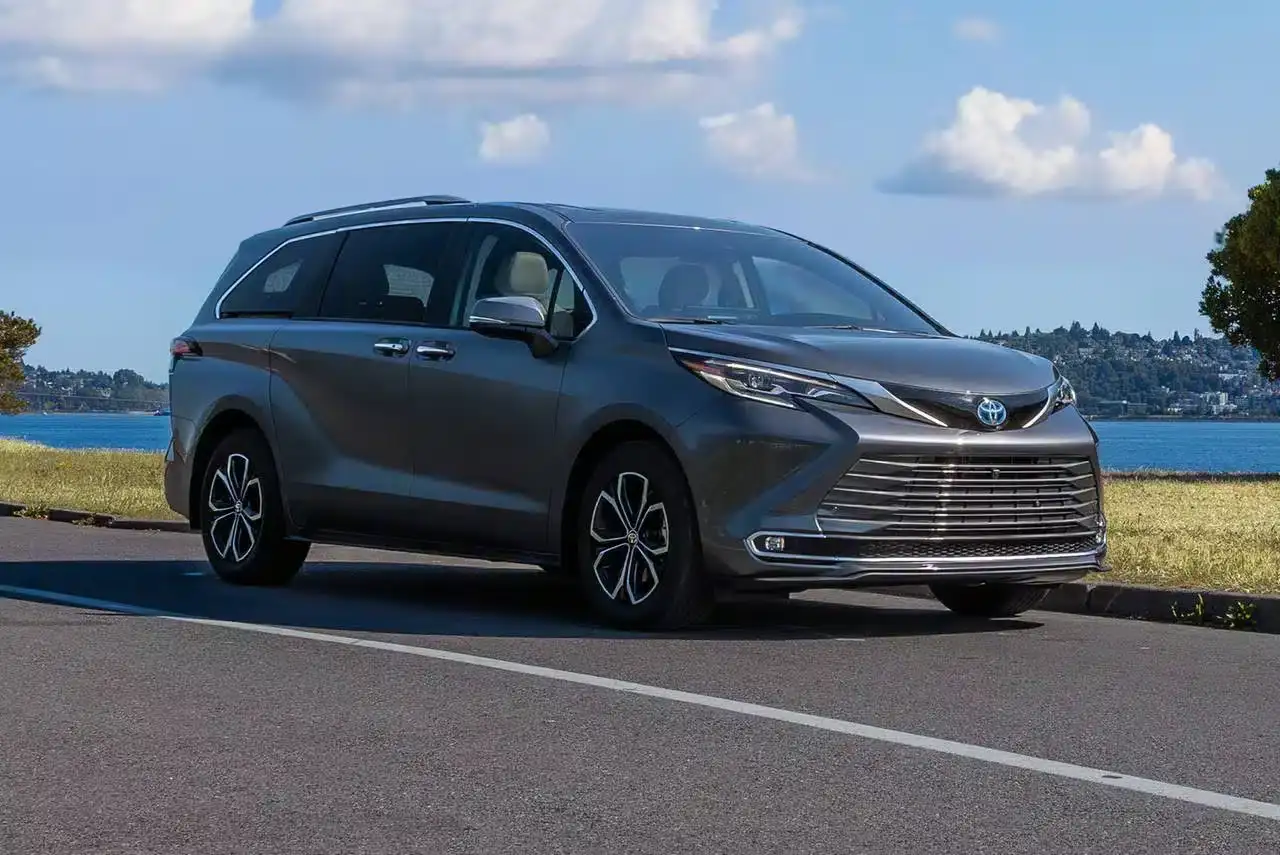
A traditional minivan offers spacious seating and cargo capacity, but it is not designed for wheelchair access. Passengers generally need to transfer from a wheelchair into a vehicle seat before travel begins. The wheelchair must then be folded or stored separately, which can become physically demanding for caregivers and limit convenience during frequent trips.
Wheelchair Accessible Vans Improve Everyday Convenience
Modern mobility conversions are designed around real-world needs. Depending on the conversion, drivers and passengers may benefit from:
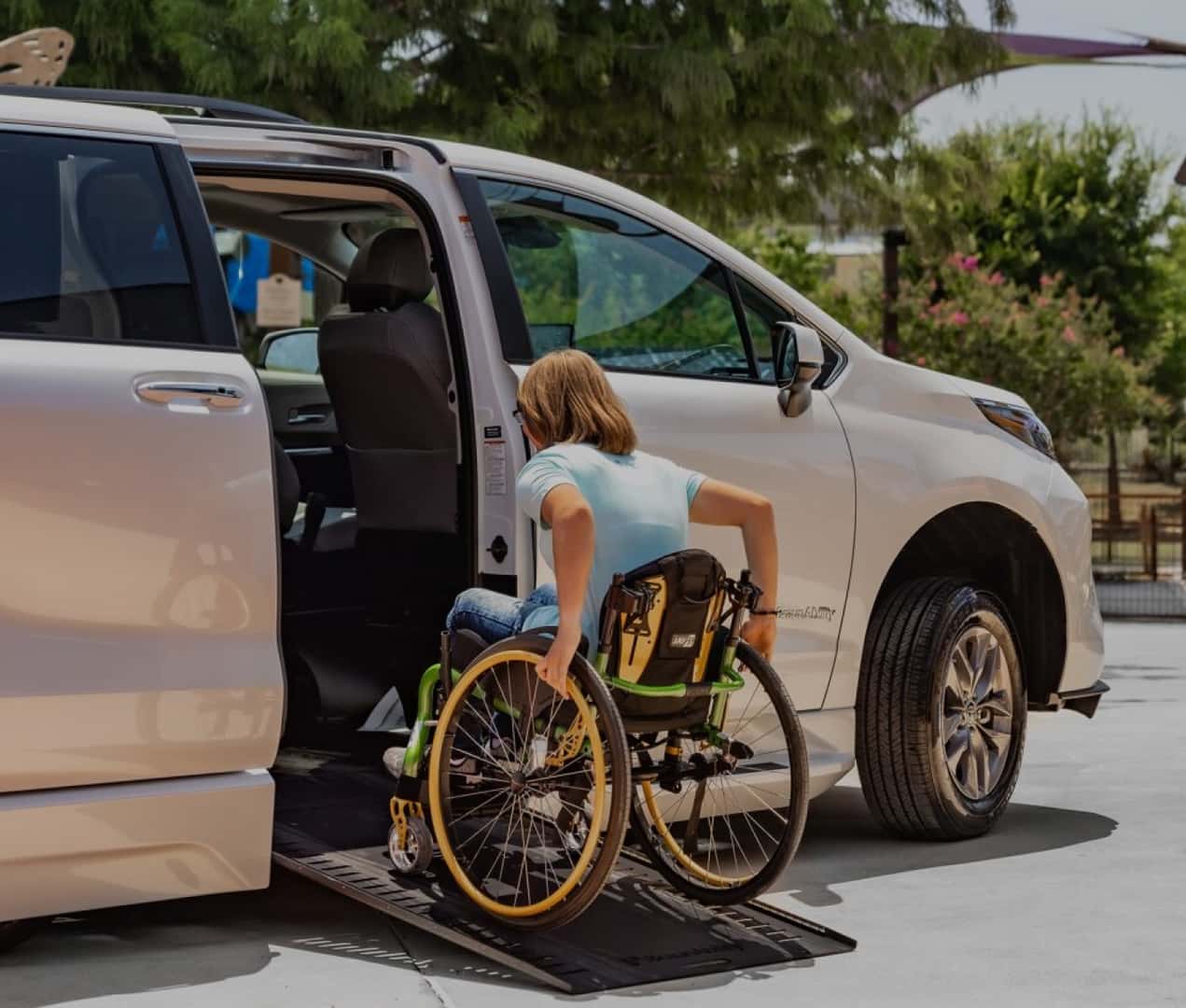
| Power or manual wheelchair ramps | Flexible seating configurations |
| Lowered floor systems for increased headroom | Power sliding doors |
| Wheelchair securement systems | Easy entry for manual and power wheelchairs |
These features help simplify transportation for medical appointments, family outings, shopping trips, school activities, and vacations.
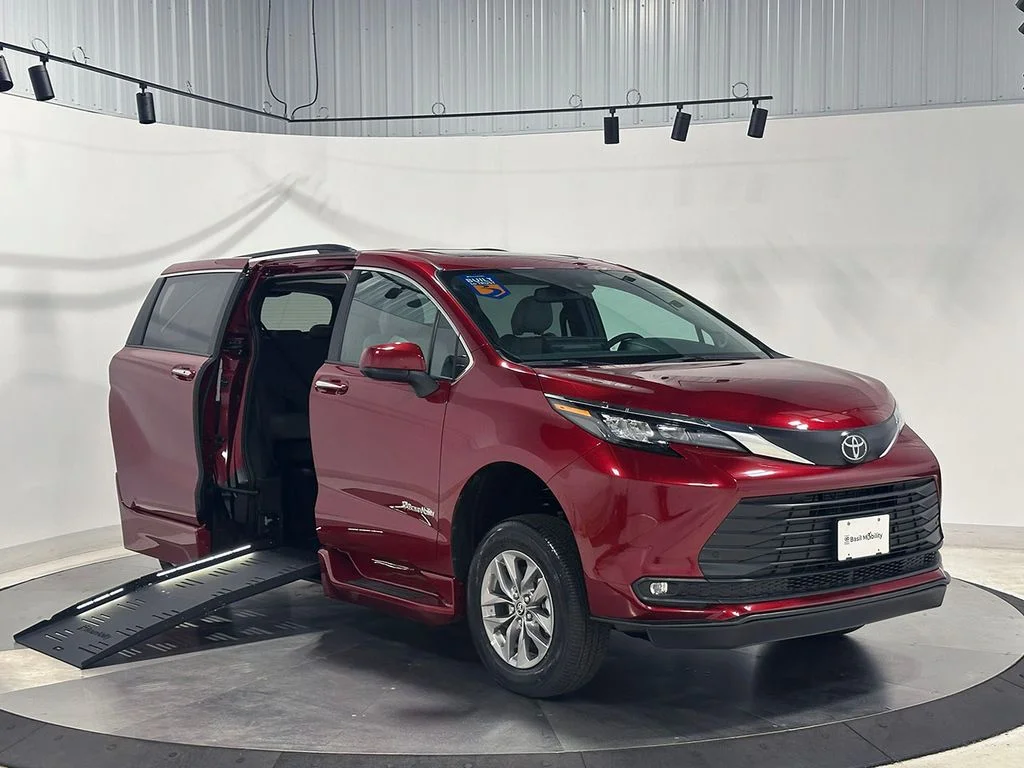
Wheelchair Accessible Vans
Increase Passenger Safety
Accessibility is only part of the equation. Professionally converted mobility vans are engineered with secure wheelchair tie-downs, occupant restraint systems, and conversion components designed to work with the vehicle's safety structure. Properly installed mobility equipment helps reduce movement during travel while allowing wheelchair users to ride comfortably and securely.
Traditional Minivans Cost Less but Offer Fewer Accessibility Features
A traditional minivan typically has a lower purchase price because it does not include specialized mobility equipment. However, families who require wheelchair transportation often discover that transferring passengers, loading wheelchairs, and accommodating changing mobility needs can become increasingly difficult over time.
A wheelchair accessible van represents a larger investment but delivers accessibility, convenience, and independence that a standard minivan cannot provide.
Why Many Families Choose a Wheelchair Accessible Van
For individuals with long-term mobility needs, a wheelchair accessible van often becomes the better long-term solution because it helps:
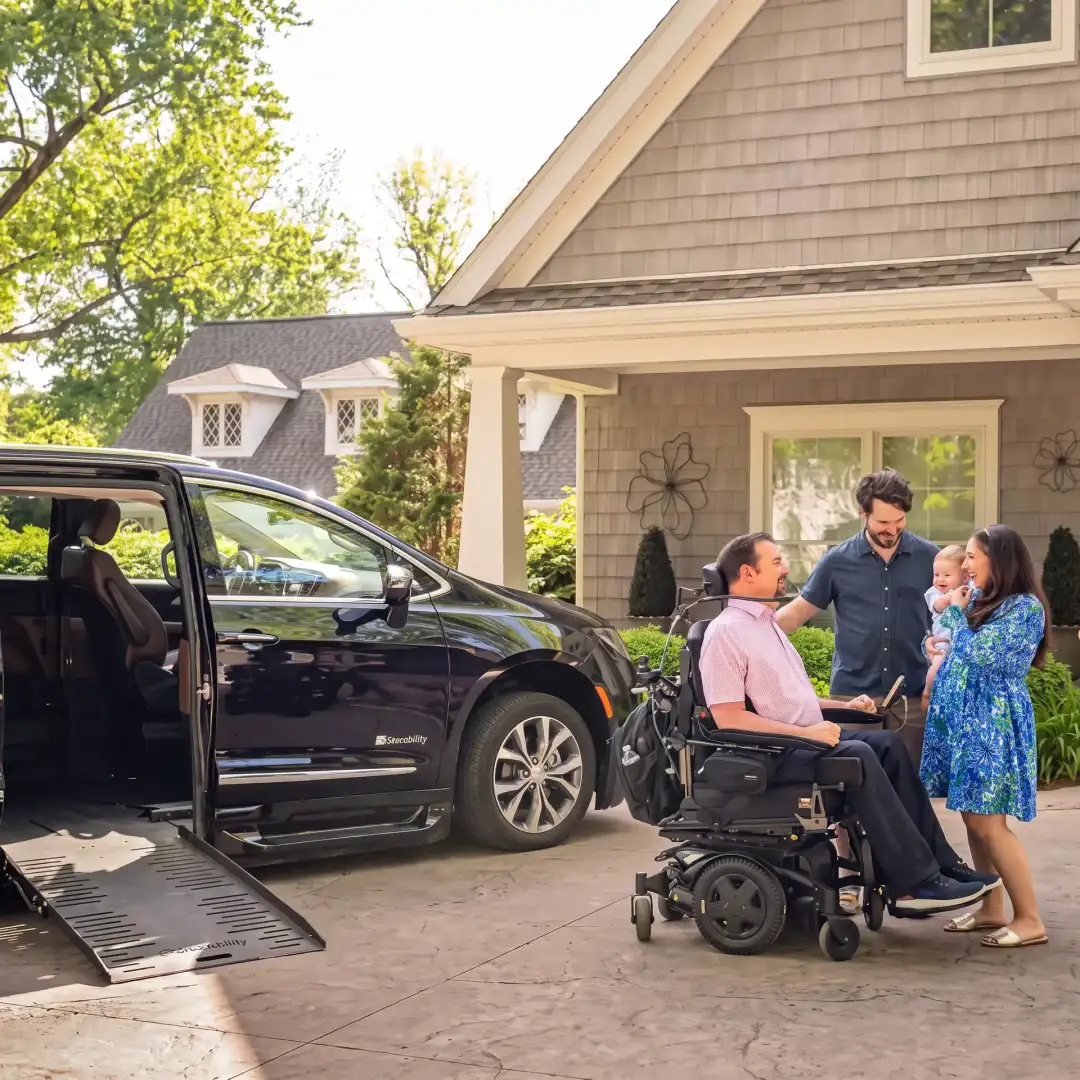
| Reduce caregiver lifting and transfers | Accommodate power wheelchairs and mobility scooters |
| Improve passenger dignity and independence | Support safer loading and unloading |
| Simplify daily transportation | Adapt to changing mobility requirements |
These advantages help explain why many families choose a professionally converted mobility vehicle instead of modifying their daily routine around a conventional minivan.
Basil Mobility Helps You Compare Mobility Solutions
Every mobility need is different. The specialists at Basil Mobility work closely with customers to understand wheelchair size, passenger requirements, caregiver preferences, and long-term transportation goals before recommending the right accessible vehicle. Whether you're exploring side-entry or rear-entry conversions, new or pre-owned inventory, or adaptive mobility equipment, Basil Mobility helps drivers throughout Depew, Buffalo, Cheektowaga, Amherst, Lancaster, West Seneca, Williamsville, and Clarence find a solution that supports greater independence.
Frequently Asked Questions
Is a wheelchair accessible van better than a traditional minivan?
Can someone stay in their wheelchair while riding?
Are wheelchair accessible vans only for power wheelchairs?
Which is easier for caregivers?
Where can I compare wheelchair accessible vans near Buffalo, NY?
Experience the Basil Difference
Basil Mobility helps drivers throughout Depew, Buffalo, Cheektowaga, Amherst, Lancaster, West Seneca, Williamsville, Clarence, and nearby Western New York communities explore wheelchair accessible vans designed to improve comfort, safety, and everyday independence.